
School Workshop Sessions
Ignite a passion for the past with our National Curriculum-aligned workshops, crafted to take your students beyond the classroom walls and into the rich tapestry of history.
Interactive & Immersive Learning
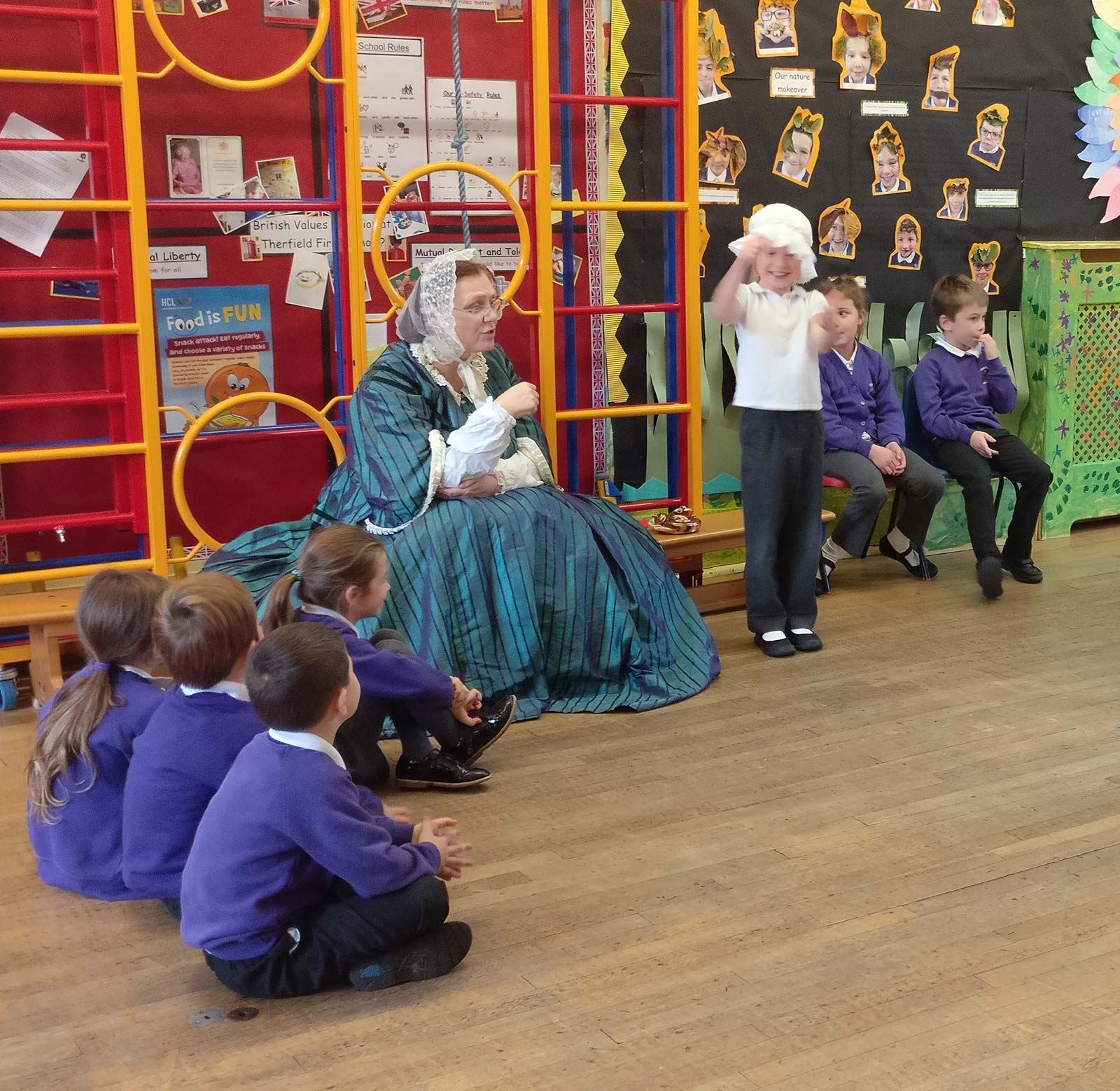
North Herts Museum school workshops involve practical, hands-on, and interactive learning sessions that can take place either at the museum itself or at the school. Sessions delivered at the museum can take place in dedicated spaces like The Learning Centre. Each session is designed to support the curriculum, can be tailored to the school’s current topic, and offer a deeper understanding through direct engagement with museum objects and archives. They may involve role play, working in groups, and undertaking creative or scientific activities like making a water filter, analysing rock formations, or even solving a 1000-year-old murder mystery involving skeletons.
Experience History at North Herts Museum
At North Herts Museum, we don’t just teach history; we make it an unforgettable experience. Watch as your students connect with the past in new and surprising ways, sparking curiosity and leaving them with a renewed enthusiasm for learning.
Museum Education Service
Subscribers to the Museum Education Service can receive up to 3 free workshop sessions per financial year, along with access to our loan service.
Available sessions
Our School Workshop Sessions are marked with their usual key stage, but can be adapted to suit other key stages if required; please let us know when booking.















Booking enquiry
"*" indicates required fields