About our collections
As with any museum, not all collection items are suitable for public display; however, many are invaluable for research.
Modern museums no longer collect everything they may be offered: instead, we have a policy that outlines areas where we are actively seeking to broaden our collections. We also have a rationalisation policy, which helps us to decide which items could be removed from the collections when they are no longer relevant to us. In the first instance, they are offered back to the original donor, then to other Accredited Museums: we do not sell them.
North Hertfordshire focus
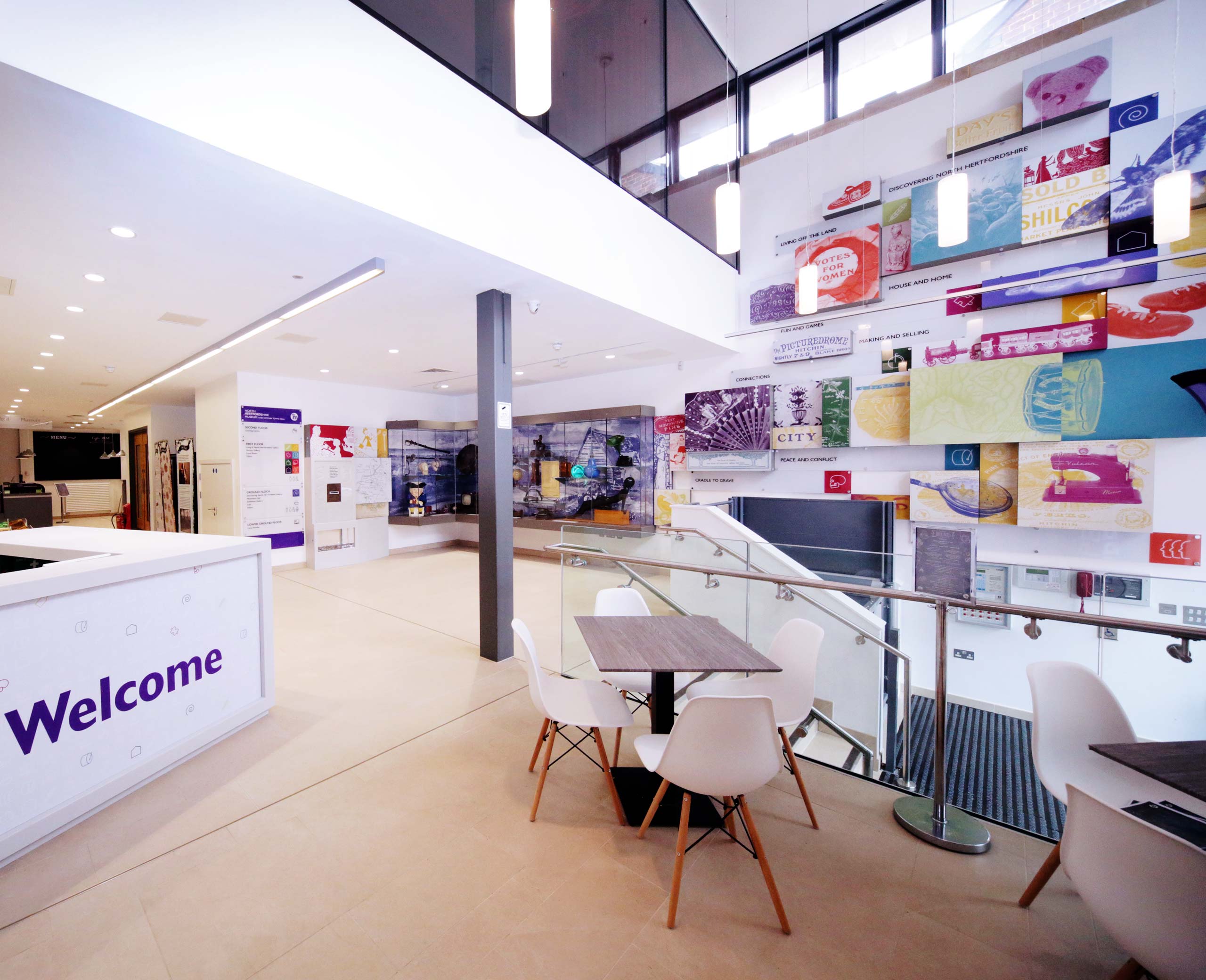
Our current collecting policy recognises the highly diverse historical collections of the former Letchworth (established 1914) and Hitchin (established 1939) Museums. Today, the Museum Service focuses on acquiring items that originated in, were used in, were found within, or were made by people from the District of North Hertfordshire, thereby capturing its unique history and culture.
Our online catalogue, hosted by eHive, contains details of some of the objects that are kept in store.
Our collection areas
- Archaeology
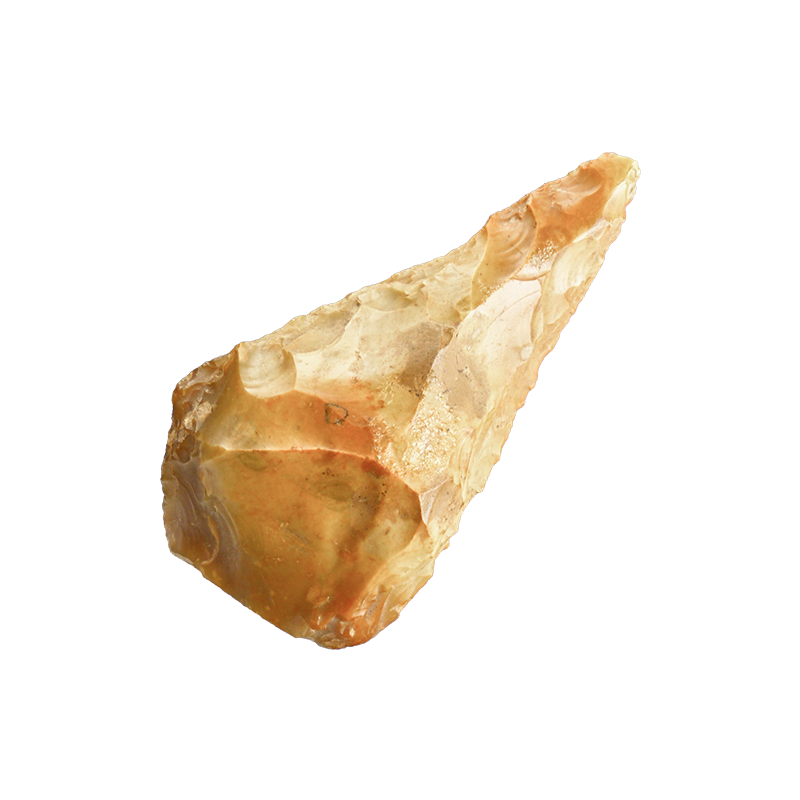
We collect material from all periods from the District of North Hertfordshire; under planning legislation, North Hertfordshire Museum is the official repository for archaeological archives generated through the planning process (i.e. developer-funded fieldwork). - Decorative Art
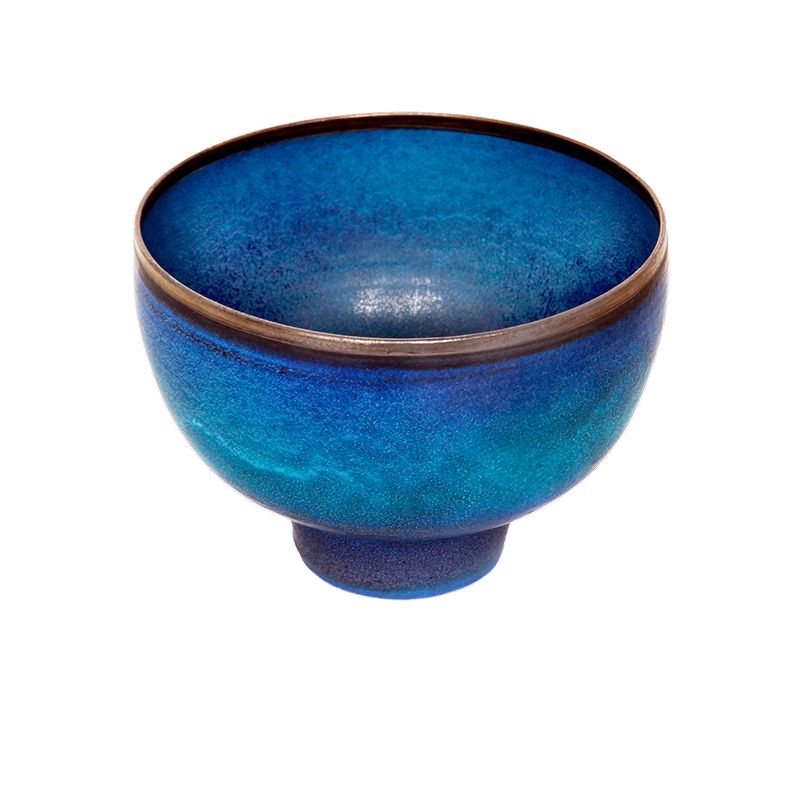
There is a small collection of 18th–20th century glass and ceramics originally collected by Letchworth Museum. We may occasionally collect items of decorative art that help to tell the story of North Hertfordshire. - Numismatics
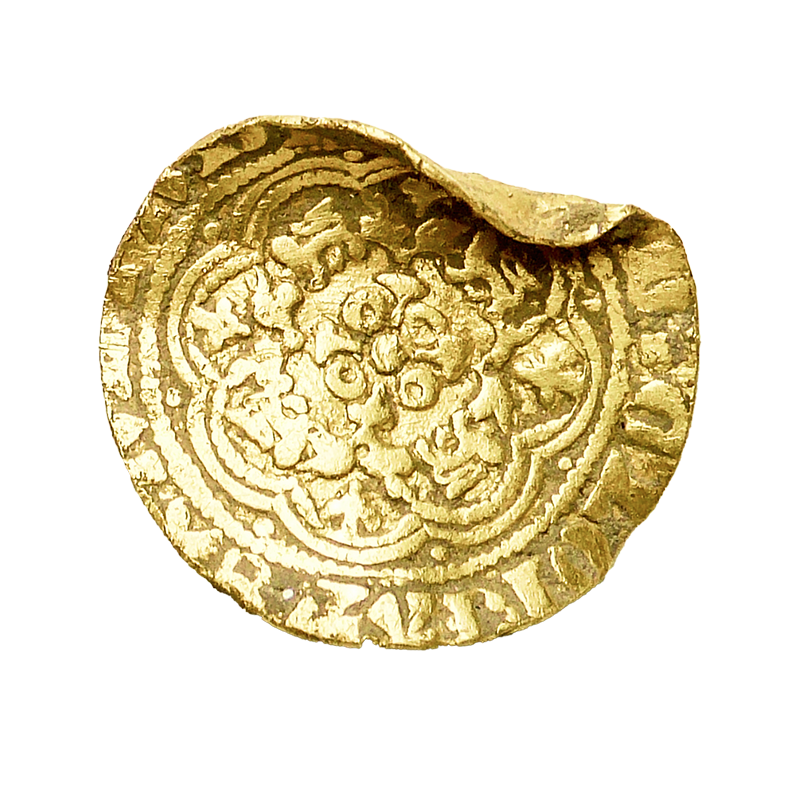
We collect coins found in North Hertfordshire District, particularly Iron Age, Roman, and English coins and tokens used locally. We also acquire British service, commemorative medals, and orders from individuals with a North Hertfordshire connection. - Costume and textiles
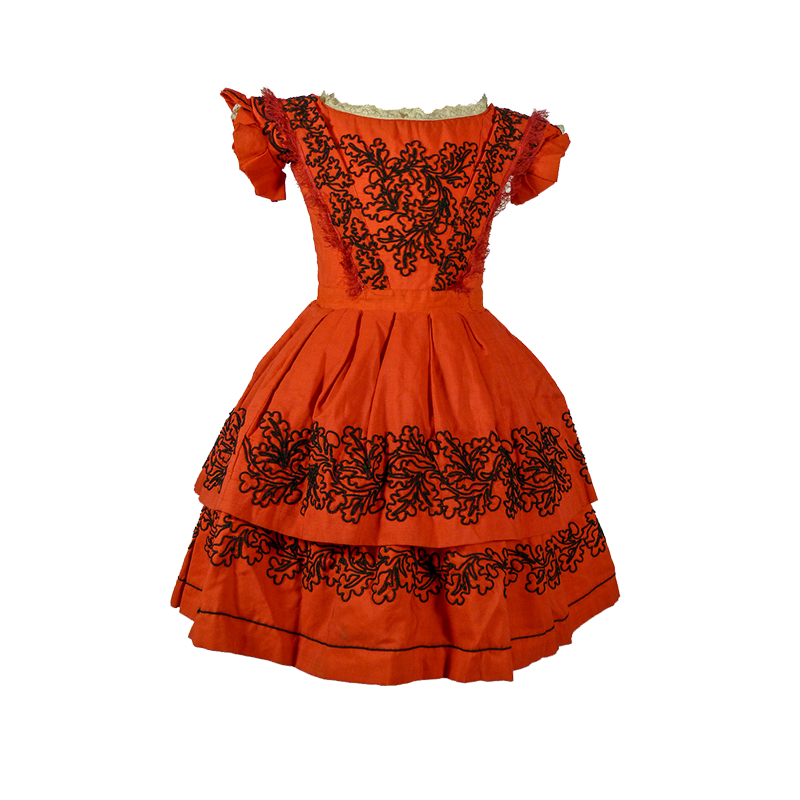
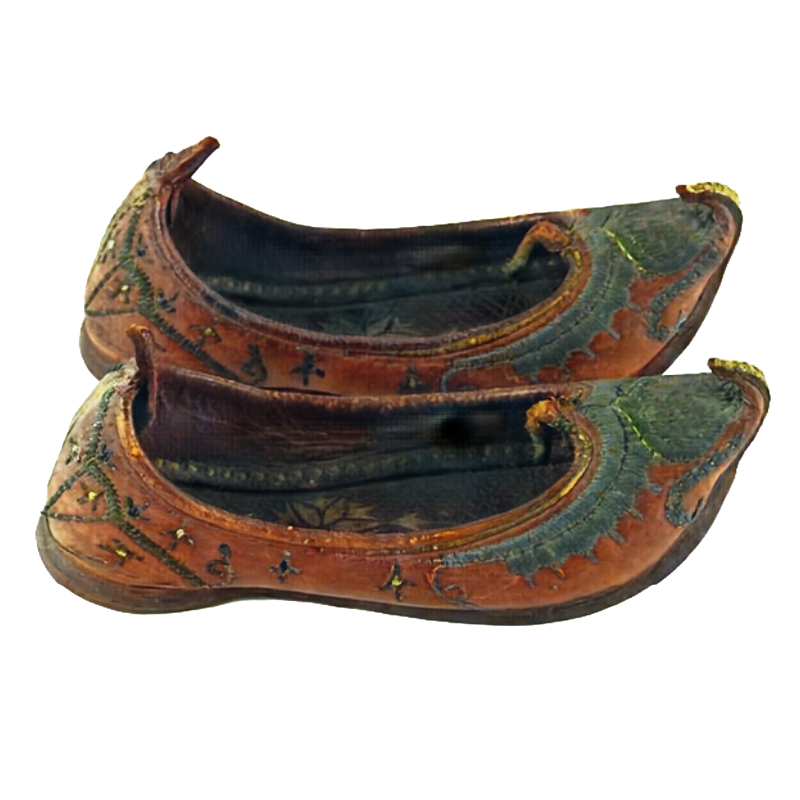
We collect women’s, men’s, children’s, and infants’ clothing, accessories, jewellery, and related ephemera. Our aim is to fill collection gaps up to 1980 and build a contemporary collection from 1980 onwards. Occupational clothing is acquired to fill gaps, and foreign costume is accepted only if it has a significant association with the District. - Documents
We generally refer potential donations of documents to Hertfordshire Archives and Local Studies. However, we occasionally collect written and printed ephemera relating to businesses and social activities within North Hertfordshire, especially from villages. - Fine Art
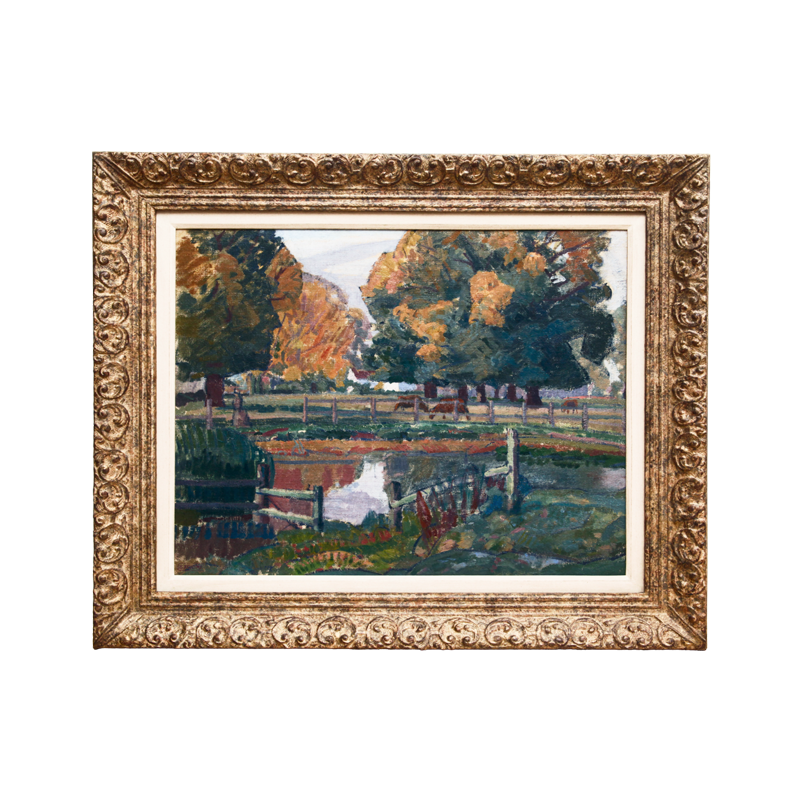
We collect oil paintings, watercolours, drawings, pastels, prints and sculpture representative of artists who have or had a connection with North Hertfordshire as well as depictions of places in the district. - Military items
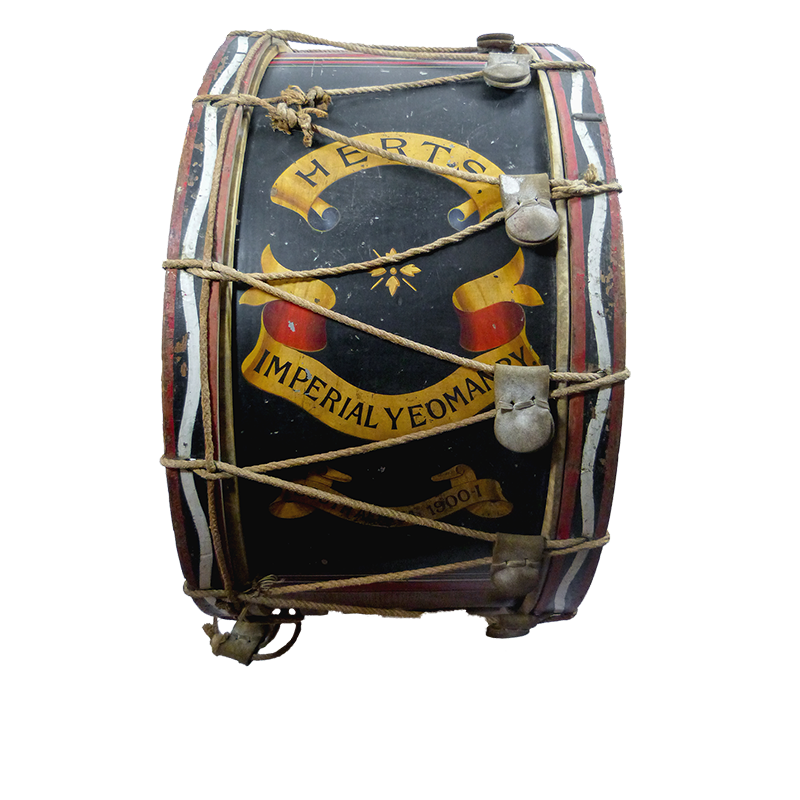
We collect items relating to the Hertfordshire Yeomanry and items related to people with a North Hertfordshire connection who have served in the military. - Natural Sciences
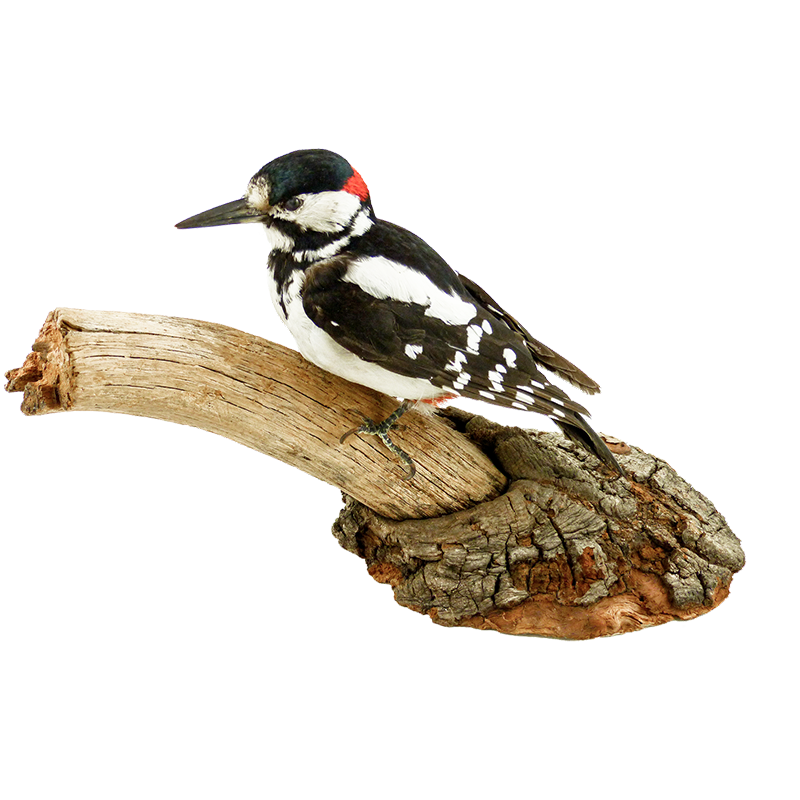
Our focus for natural history collecting is important local specimens and voucher material. As holders of the County Herbarium, our botanical collections actively acquire vouchers via county recorders. We also accept related archival material. - Pharmacy
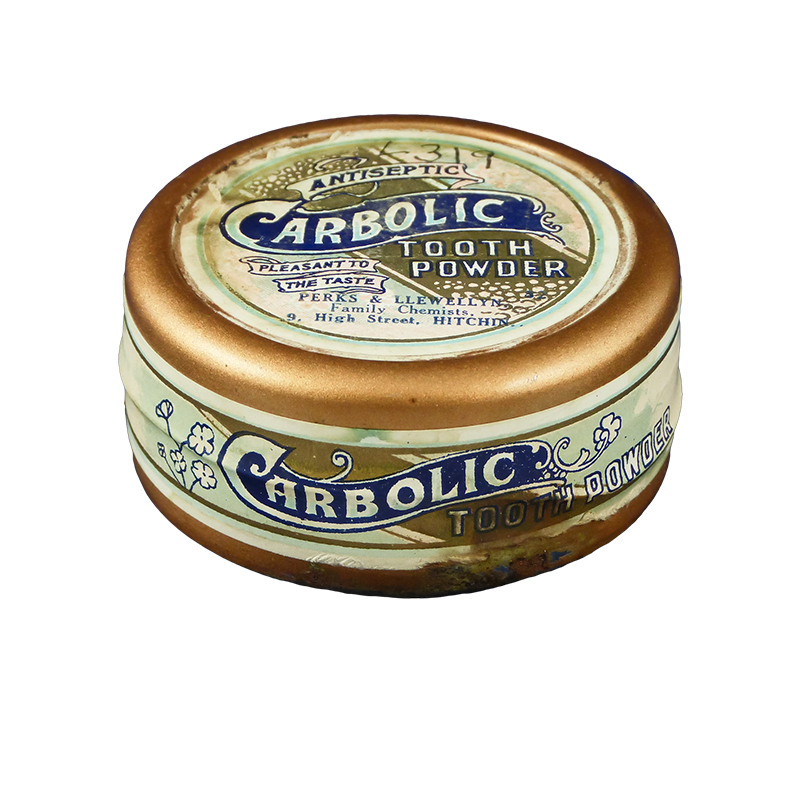
We collect only items related to the Perks and Llewellyn pharmacy. - Photography, film, video and audio
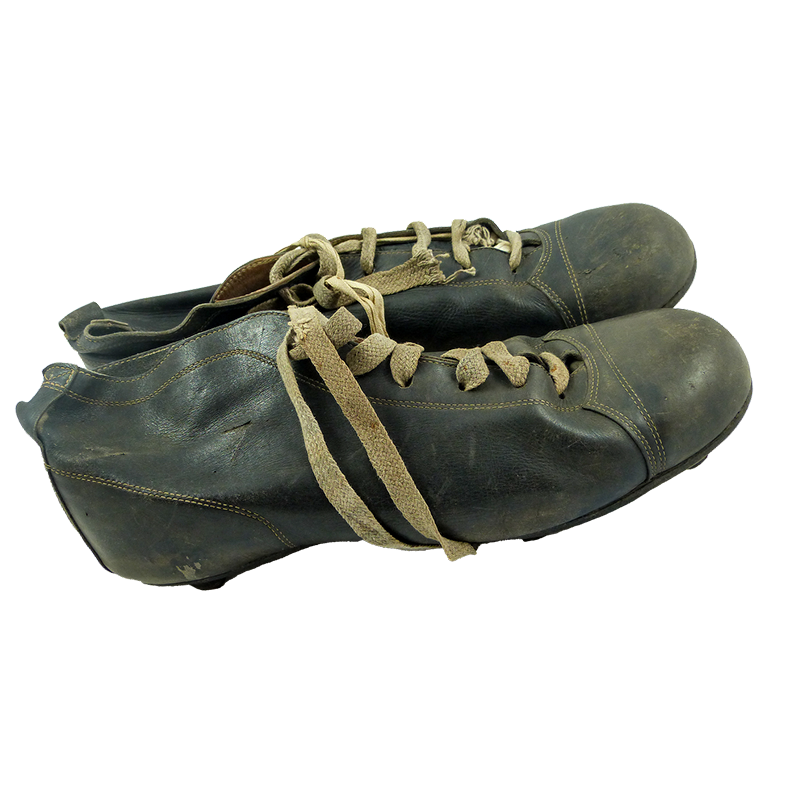
We collect recordings and images relating to North Hertfordshire, particularly of villages and people that are less well represented. We also accept media reflecting the cultural diversity of the district, its everyday life and trades as well as local and national events and celebrations. - Social History
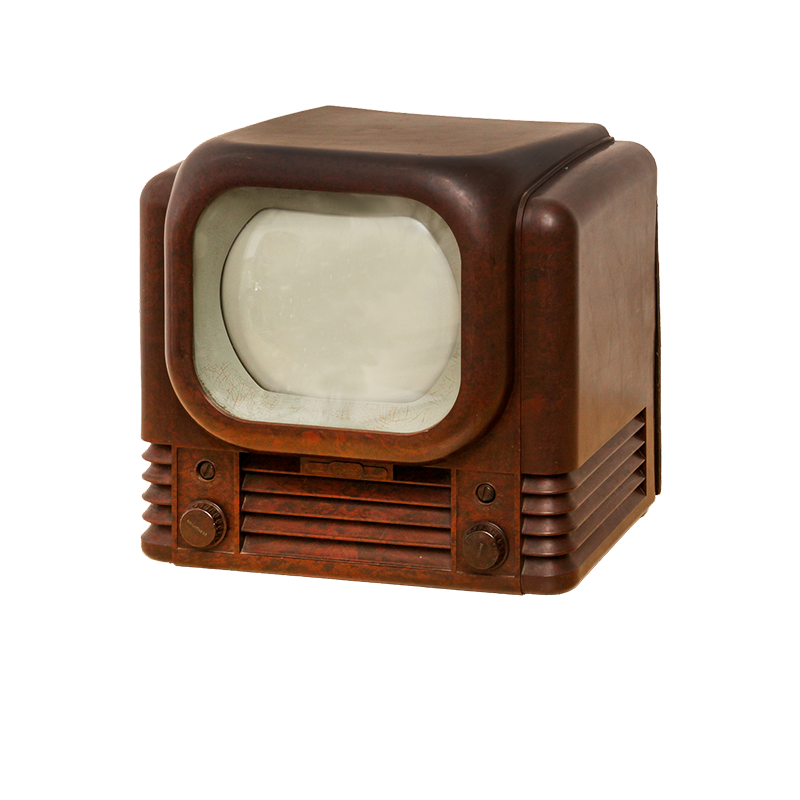
We collect objects relating to the towns and villages in the District, their residents and lives not otherwise covered by the archaeology collection. - Ethnography
There are a few items of ethnography in the collections, but we no longer collect such items.