COLLECTION
Ethnography
Today, our museum only collects objects with a connection to North Hertfordshire.
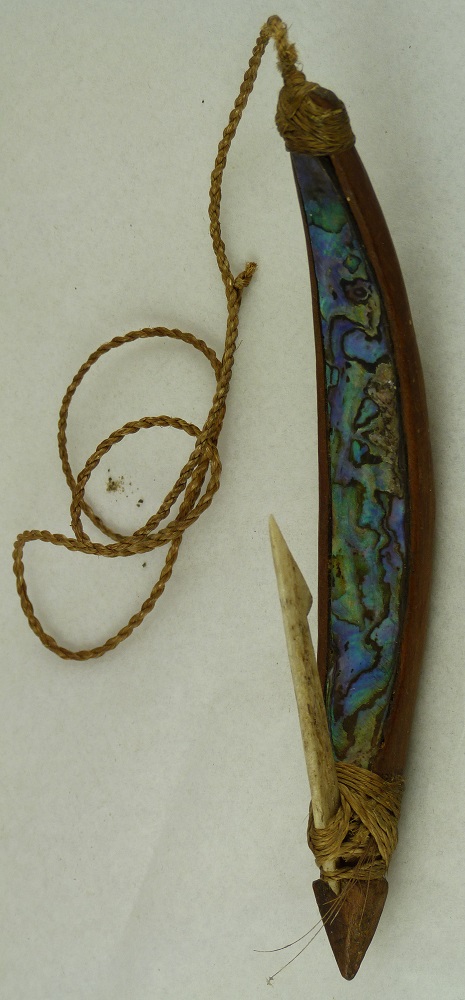
When the museum service was founded in the 1910s, however, many curators saw their role more broadly, aiming to educate the public about the world.
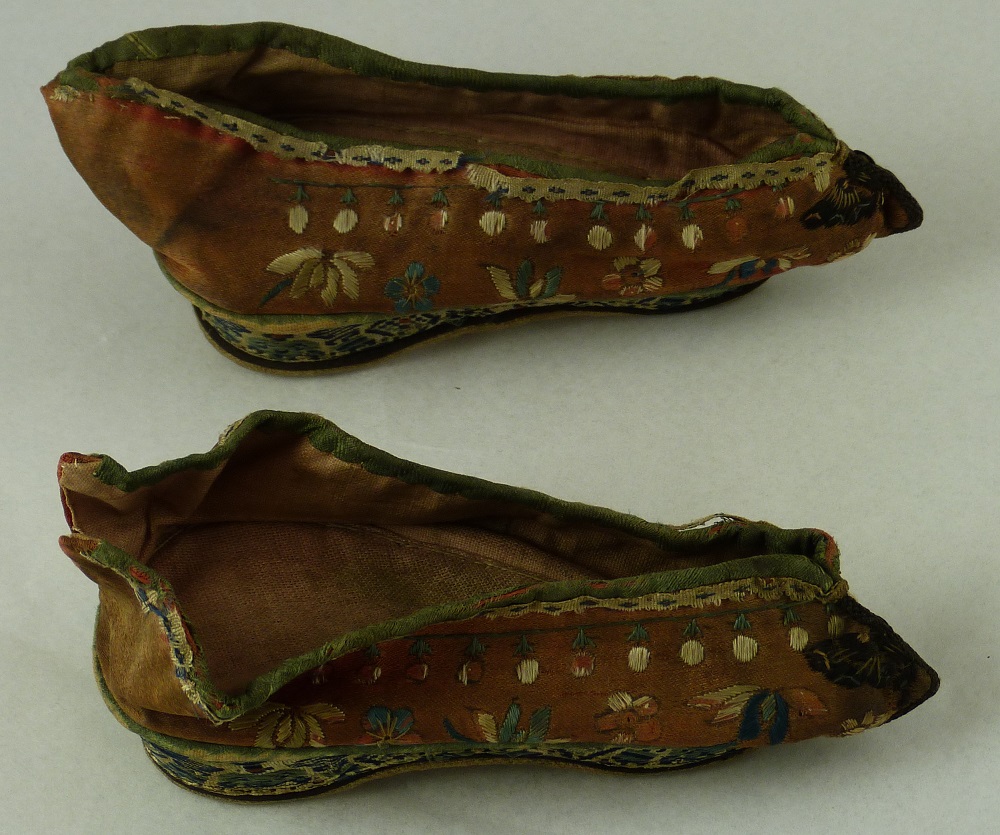
At that time, Britain’s worldwide empire meant that many people had links with places and communities overseas, particularly those then within the British Empire. The First World War also brought young men into contact with unfamiliar places, people and cultures.
These early connections, and the wider interest in the story of the world, helped form a small but fascinating collection of objects from around the globe, including, remarkably, something from every continent, even Antarctica.