COLLECTION
Social History
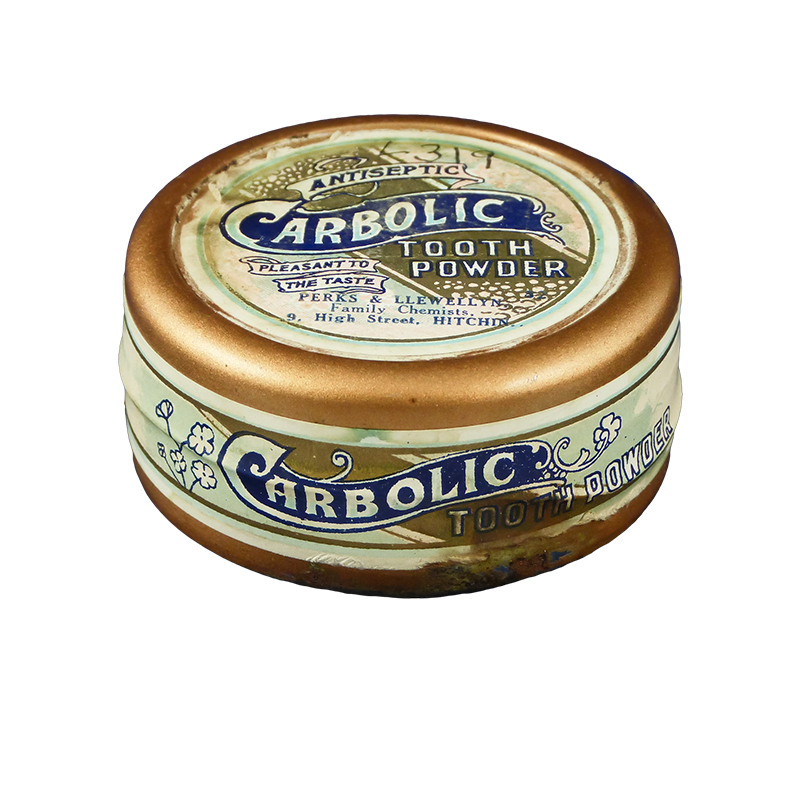
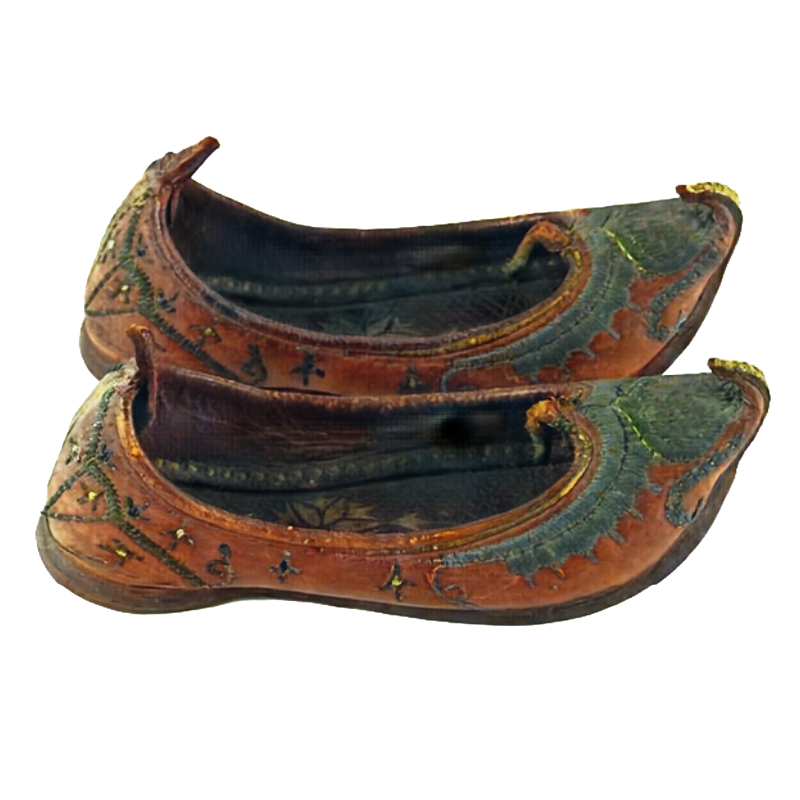
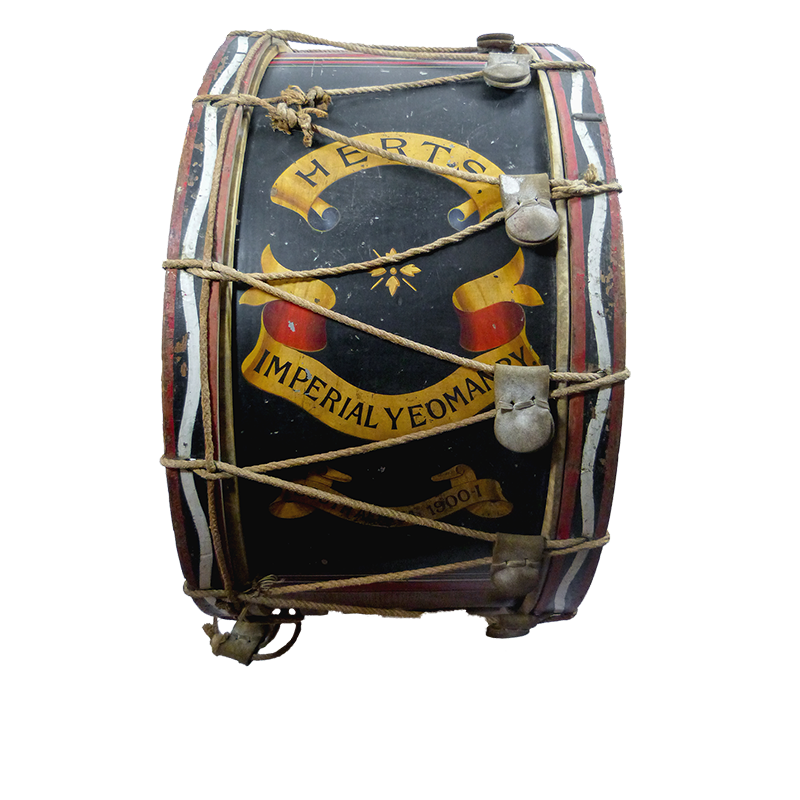
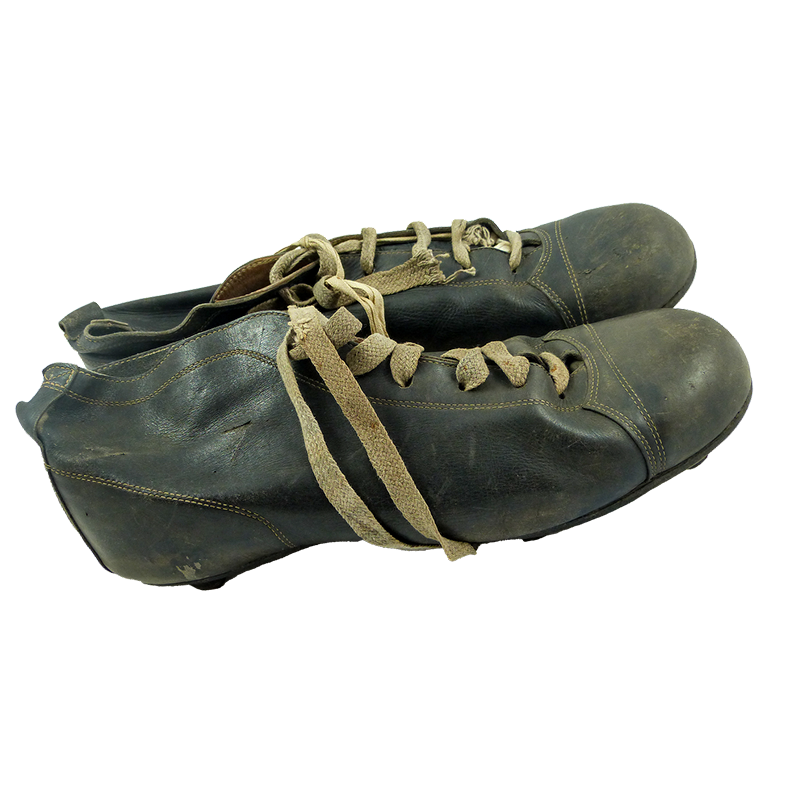
Our Social History collection offers an intimate journey into the lives of people who shaped our area, spanning centuries and encompassing over 20,000 objects.
Within this collection, you’ll uncover the practicalities of everyday living, the nature of local livelihoods, and the ways in which people found joy and recreation. It illuminates how communities celebrated significant milestones, navigated challenging times, and commemorated personal and collective events. Each object – be it a domestic tool, an item of clothing, a personal souvenir, or a document – holds a fragment of a larger narrative, inviting us to connect with the traditions, struggles, and triumphs that define our shared heritage.
Key Objects
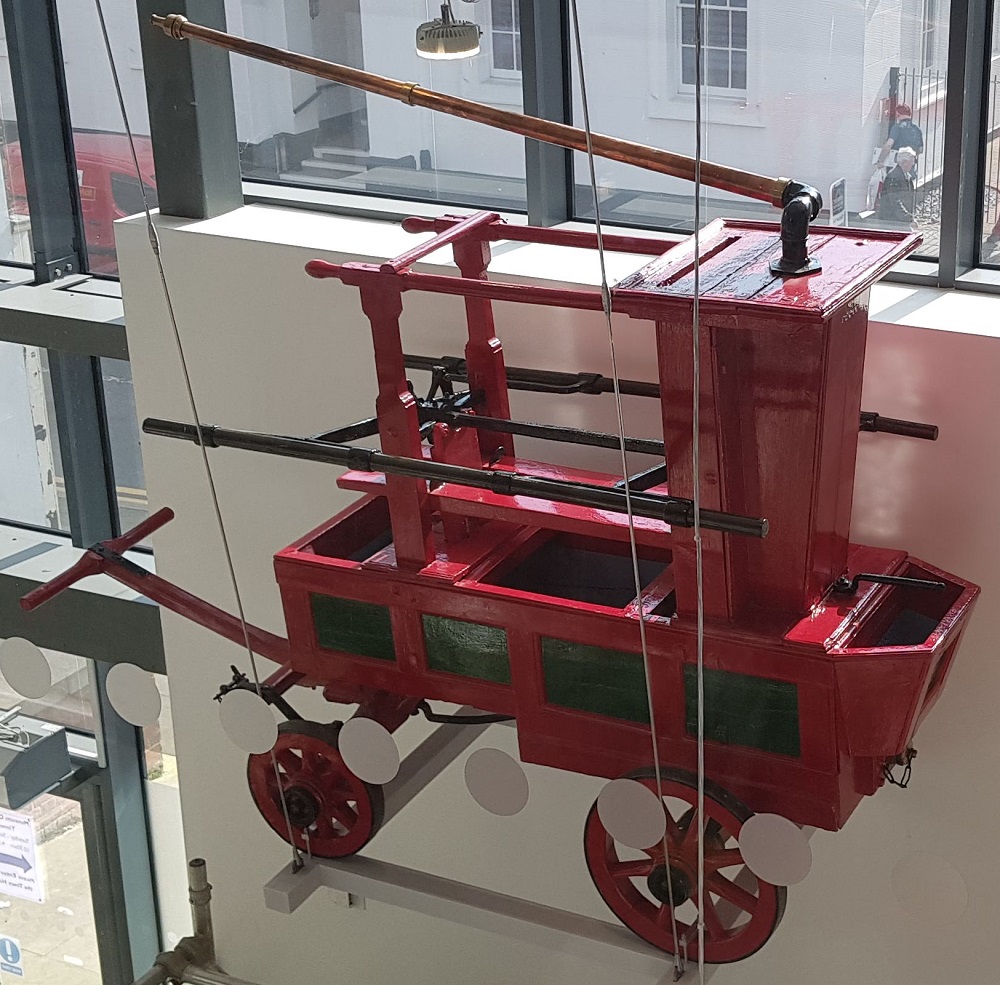
Offley Fire Engine
This fire engine, made in 1793 and based in Offley, had a remarkably long life. It was last used to fight a fire in the village in 1920.
Elizabeth Impey Suffragette Collection
This collection of objects relates to Elizabeth Impey a suffragette from Hitchin. Elizabeth campaigned for the right to vote for women and was imprisoned at Holloway. Some people in Hitchin sent abusive postcards to Elizabeth and her family.
Bush TV22 Television Set
Probably bought to watch the Queen’s coronation in 1953, this was a cheap model, costing £35 10s (£35.50). Stanley Lee of Hitchin sold it to a Letchworth Garden City resident on 28 February 1953.
Hitchin Rural District Council Incident Map 1939-1945
The coloured pins in this map mark the places where different kinds of bombs fell throughout North Hertfordshire and where German planes were shot down. It also shows the 792 houses that were damaged or destroyed during the war.
‘Penny Farthing’
Dating from about 1870, these were the first machines to be called ‘bicycles’ and were popular in the 1880s. Their large front wheel next to their small back wheel reminded people of a penny coin next to a farthing.